

Jyotishmati (Celastrus paniculatus), also known as the Black-Oil tree, plays an important role in Ayurvedic practice as a plant that supports memory and the nervous system. Its Indian origin and centuries-long use in traditional medicine link it to improved cognitive function and overall vitality. Jyotishmati.in is associated with this branch of Ayurvedic knowledge.
In today’s digital landscape, issues related to payment for services and transaction limits are becoming just as important as the selection of natural health supplements. Mobile billing—Handyrechnung statt Kreditkarte—allows users to pay for services without linking a bank card, while taking into account spending limits and security requirements.
schnelle Einzahlung per Mobilfunkrechnung, this payment method is often considered in the context of online entertainment and gaming platforms, where expense control and data protection are crucial.
The combination of Ayurvedic traditions and modern digital solutions demonstrates a balance between health care and a responsible approach to online activities. Jyotishmati and the topic of secure payments are united by the idea of mindful choice, where attention to the body’s resources and financial discipline play equally important roles.
About Jyotishmati
Jyotishmati (Celastrus paniculatus), or Black-Oil tree, is one of the best medicinal herbs of Ayurveda possessing memory-enhancing and nervine-strengthening properties. This plant is native to India and grows through the sub-Himalayan tracks.
It has been used in the pulpit of Ayurveda for the last many centuries.
 Botanical Name: Celastrus paniculata
 Family: Celastraceae
 Other Names:
 English: Staff tree
Common name: Staff tree
Sanskrit: Joytishmati, Medhya, Swarnalata, Tejasvini Hindi: Malkangni, Sankhiran Urdu: Roghan Mal Kangni Tamil: Adibaricham, Kaligam Telugu: Bavunji, Maneru Kannada: Gavanagonge, Gonge Balli Marathi: Malkangoni, Kaakamardanika Malayalam: Valuzhuva, Paluzhavam Bengali: Kijri Oriya: Penglotha Synonyms: Katabhi, Suvarnalatika, Alavana, Agnibhasa, Kanguni Habit – Straggling shrub. Useful Parts – Seeds and Seed oil
Ayurvedic Properties

Rasa (Taste): Tikta (Bitter)
Veerya (Potency): Ushna (Hot)
Vipaka (Post-Digestive Effect): Katu (Pungent)
Dosha Effect: Increases Pitta Sadhaka (Enhances overall intellect & clarity); Excess use can cause vitiation of Pitta Dosha.
Health Benefits

Nervous System:
memory retention and concentration, relaxes cognitive function, mental clarity, reduces stress and anxiety.

Digestion and Metabolism:
Works wonderfully as an appetizer and improves digestion. Helps to detoxify and digest Ama (toxins).

Pain Relief and Healing Mechanism:
Acts wonders in rheumatism, gout, and joint pain, and also helps heal ulcers and sores.

Uses In:
Analgesic (Pain relieving) Diaphoretic(sweating is induced; the toxins are expelled)Micturitive (improves urination).
Shop Products
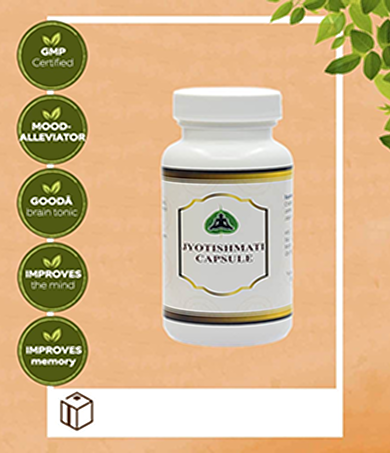
Jyotishmati Capsule
Shop now
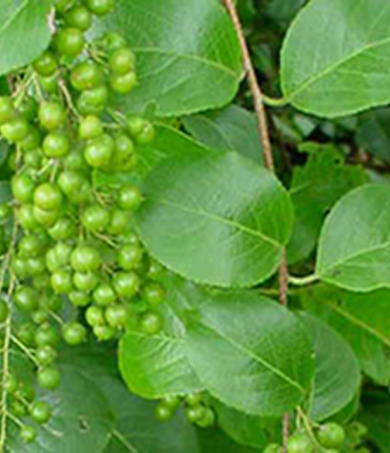
Jyotishmati
Shop now
Home Remedies
For Memory and Focus:
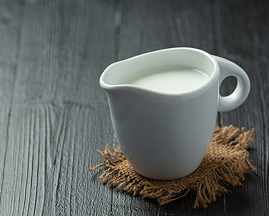
Remedy: Mix 1g of seed powder with warm milk every morning.

For Joint Pain and Nerve Health:
Remedy: Massage on the affected areas; Jyotishmati oil is very soothing.

For Digestion and Detox:
Remedy: A little, along with honey, acts as a good digestive stimulant.
Precautions and Contraindications
- Avoid excess use for already high-pitta levels.
- Pregnant & lactating women should consult an Ayurvedic doctor.
FAQ
What is the dosage of Jyotishmati for daily use?
Yes, on correct dosing of the drug, that is 0.5g to 1g taken with milk, it can be used regularly.
Is Jyotishmati suitable for children?
Sweet (Madhura), Sour (Amla), Bitter (Tikta), Pungent (Katu), Astringent (Kashaya).
Can relieve stress and anxiety?
Yes. It is a natural nervine tonic, which assures relaxation for the mind.
Yes, on correct dosing of the drug, that is 0.5g to 1g taken with milk, it can be used regularly.
Sweet (Madhura), Sour (Amla), Bitter (Tikta), Pungent (Katu), Astringent (Kashaya).
Yes. It is a natural nervine tonic, which assures relaxation for the mind.